Fertilizers for Healthy Growth 🌾

Discover the types of fertilizers that help plants grow strong and healthy — naturally and scientifically.

Types of Fertilizers
Organic Fertilizers
Organic Fertilizers

Made from natural materials like compost, manure, and plant waste. They enrich the soil, improve soil structure, and increase beneficial microorganisms. Examples include cow dung, composted leaves, bone meal, and fish emulsion.

  • Enhance soil fertility gradually.
  • Reduce risk of chemical runoff into water bodies.
  • Promote healthy root development.
Chemical Fertilizers

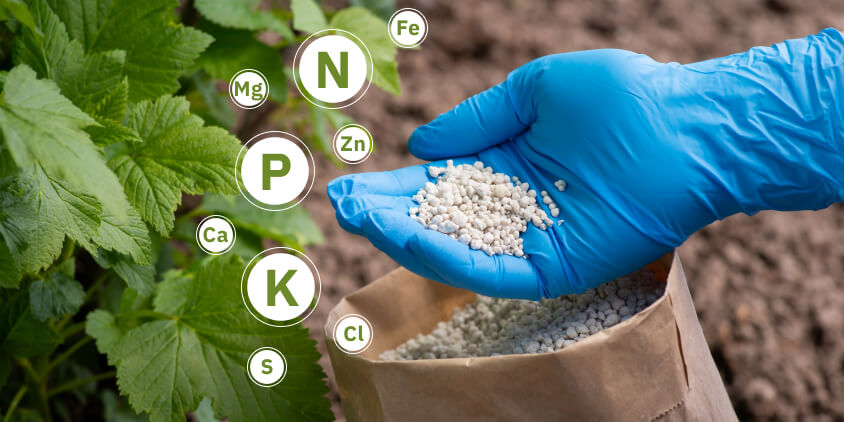
Contain minerals like nitrogen, phosphorus, and potassium to promote rapid plant growth and yield. Widely used in modern agriculture for immediate results.

  • Quick nutrient availability.
  • Suitable for large-scale farming.
  • Needs careful application to avoid over-fertilization.
Bio Fertilizers
Bio Fertilizers

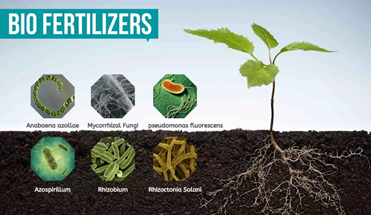
Contain living microorganisms that enrich the soil naturally. They help plants absorb nutrients more efficiently and increase resistance to diseases.

  • Rhizobium for legumes.
  • Azotobacter for nitrogen fixation.
  • Mycorrhizal fungi for root support.
Green Manure
Green Manure

Green plants grown specifically to be plowed back into the soil to improve fertility and organic matter content. Common crops: clover, alfalfa, vetch.

  • Boosts nitrogen content in soil naturally.
  • Improves soil texture and water retention.
  • Suppresses weeds and soil erosion.
Rock Phosphate
Rock Phosphate

Naturally occurring mineral used to provide phosphorus for plants. Slow-release fertilizer suitable for long-term soil fertility.

  • Enhances root development and flowering.
  • Requires microbial activity to release nutrients.
  • Safe for organic farming when used correctly.
Seaweed Fertilizer
Seaweed Fertilizer

Extracts from seaweed contain growth hormones, vitamins, and minerals. Improves plant stress tolerance and boosts yields.

  • Stimulates root and shoot growth.
  • Enhances fruit size and quality.
  • Eco-friendly and biodegradable.

DIY Fertilizers Guide

Making your own fertilizers at home can save costs and is environmentally friendly. Here are step-by-step guides for some popular DIY fertilizers.

Compost Fertilizer

Combine kitchen waste, vegetable scraps, leaves, and garden debris in a compost bin. Keep it moist and turn it every 3–4 days. Within 4–6 weeks, you'll have rich, dark compost ready for your plants.

  • Provides balanced nutrients for all plant types.
  • Enhances soil texture and water retention.
  • Reduces waste going to landfills.
Banana Peel Fertilizer

Chop banana peels and soak them in water for 1–2 weeks. Strain the water and use it to water your plants. Rich in potassium and phosphorus.

  • Promotes flowering and fruiting.
  • Strengthens plant immunity.
  • Simple and cost-effective.
Eggshell Fertilizer

Crush clean eggshells into a fine powder and sprinkle around the base of your plants. Excellent source of calcium.

  • Prevents blossom end rot in tomatoes.
  • Strengthens cell walls of plants.
  • Recycles kitchen waste effectively.
Coffee Ground Fertilizer

Used coffee grounds can be sprinkled on soil or mixed with compost. Adds nitrogen and improves soil texture.

  • Enhances soil microbial activity.
  • Improves moisture retention.
  • Encourages strong vegetative growth.

How to Use Fertilizers Effectively

Using fertilizers correctly is key to healthy plants and avoiding nutrient burn.

Why Fertilizers Are Important?

Fertilizers provide essential nutrients like nitrogen for leaves, phosphorus for roots, and potassium for fruits. Using the right type and amount improves yield, ensures soil fertility, and promotes sustainable agriculture practices.

Frequently Asked Questions

Organic compost mixed with balanced NPK fertilizers usually works best. Nitrogen-rich fertilizers help leaf growth, while phosphorus and potassium boost root and fruit development.

Yes, but in smaller doses. Potted plants have limited soil, so over-fertilizing can damage roots. Organic alternatives are safer for indoor plants.

Depending on the plant type, most gardens benefit from fertilization every 2–6 weeks during the growing season. Always monitor plant health to adjust frequency.

Mixing fertilizers is possible, but avoid combining chemicals with organics unless you know the reactions. Always test small amounts first to prevent damage.