
🌱 Revive Weak Plants
If your plant’s leaves are wilting or not sprouting, gently check the soil moisture by touching it an inch deep. If it’s too wet, do not water again until it dries slightly. Use banana peel water or fruit peel compost tea for a natural nutrient boost. Remove dry leaves, loosen compact soil, and keep the plant in bright but indirect sunlight.
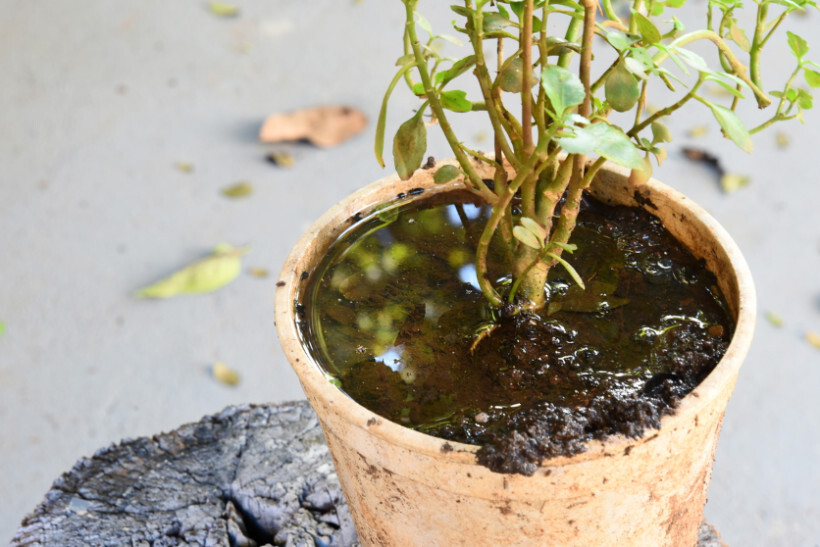
💦 Fix Overwatering
If the soil is soggy, roots may suffocate. Remove the plant carefully, trim off rotten roots, and let the root ball dry for a day. Replant it in fresh, well-draining soil mixed with sand or cocopeat. Always check moisture before watering again — water only when the top 1 inch feels dry.
🔥 Fix Underwatering
When plants look dry or droopy, water them slowly so the soil can absorb moisture evenly. Avoid pouring too much at once. Keep the pot in a shallow tray of water for 15 minutes for deep root absorption. Mist the leaves lightly to restore humidity.

☀️ Sunlight Balance
Too much sunlight can burn leaves, while too little stops growth. Move indoor plants near windows with filtered light, and rotate them every few days. For outdoor plants, use shade nets during peak summer.
🍌 Nutrient Boost
Give your weak plants a nutrition boost using home remedies. Use banana peel, onion peel, or rice water as organic fertilizer. Compost tea and diluted cow dung water also help plants recover strength naturally.

🐛 Natural Pest Control
Insects or fungus can weaken plants fast. Spray neem oil or soapy water weekly to repel pests naturally. Trim affected leaves and keep the soil clean. Avoid chemical pesticides for indoor plants.
🌤️ Plants That Don’t Need Direct Sunlight
Not all plants require direct sunlight to grow strong and healthy. Some species thrive in shade or low light conditions — these are perfect for indoor gardening or balcony spaces.
For example, Money Plant, Snake Plant, Peace Lily, and Pothos grow well in bright but indirect light. Placing them near a window with filtered sunlight helps them stay green and fresh. Too much direct sunlight can burn their leaves and cause wilting.
Remember to rotate the pots occasionally so all sides receive balanced light exposure. These low-light plants are easy to care for and improve indoor air quality naturally.